
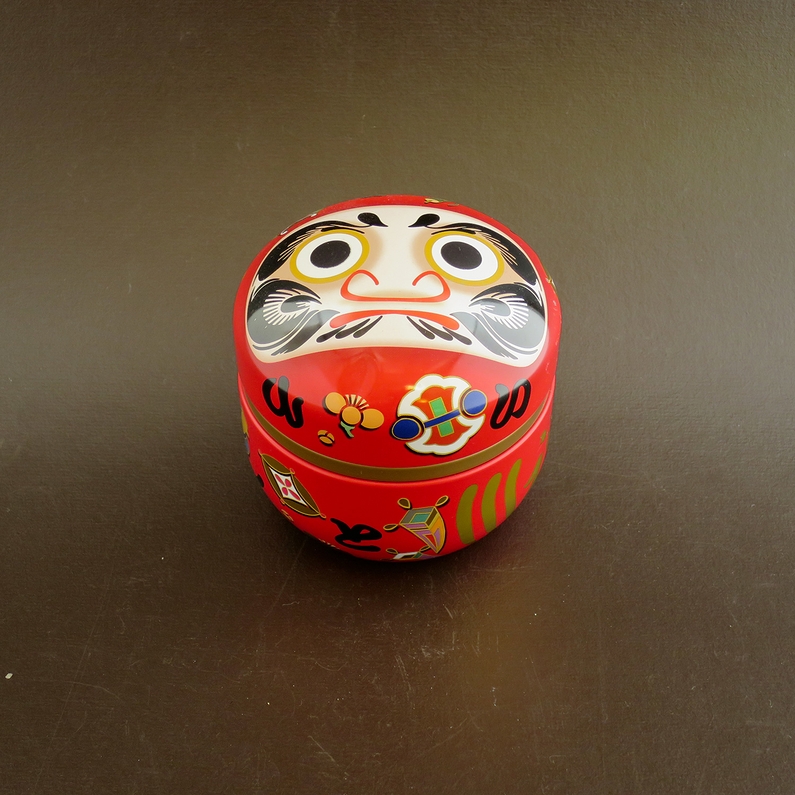
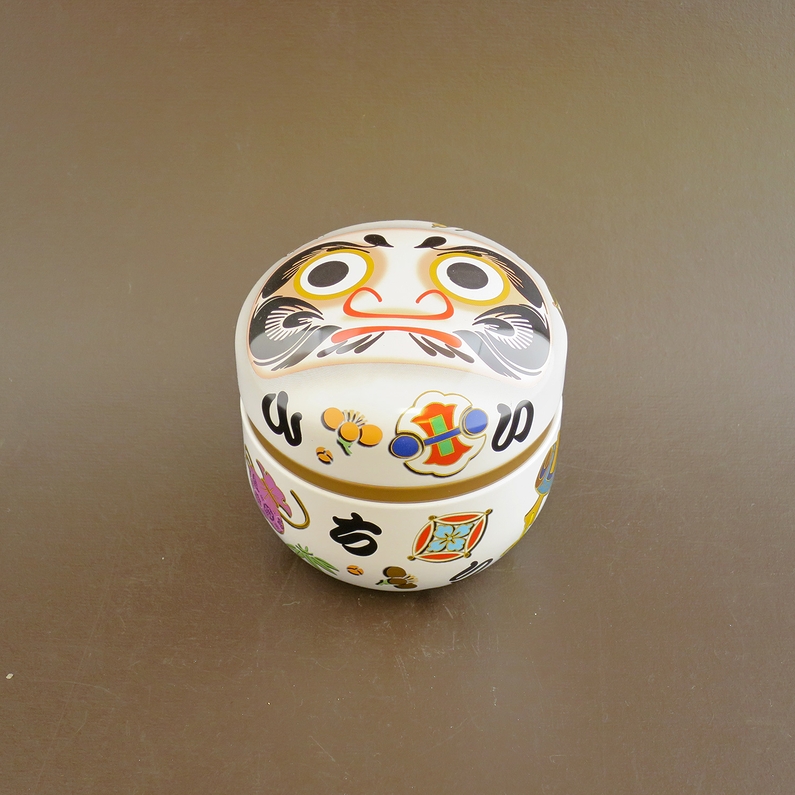
Tea box Daruma

J00103319
-{{ Math.floor(lowestprice.prices.user.percent) }}%
-{{ Math.floor(selectedVariant.prices.user.percent) }}%
From Current price{{ lowestprice.prices.user.price_tax_display }} Old price{{ lowestprice.prices.user.price_strike_tax_display }} Current price{{ lowestprice.prices.user.label }}
{{ price.price_tax_display }} {{ price.label }}
Public price Current price{{ lowestprice.prices.suggested.price_tax_display }} Old price{{ lowestprice.prices.suggested.price_strike_tax_display }}
excl. taxes
Current price{{ selectedVariant.prices.user.price_tax_display }} Old price{{ selectedVariant.prices.user.price_strike_tax_display }} Current price{{ selectedVariant.prices.user.label }}
{{ price.price_tax_display }} {{ price.label }}
Public price Current price{{ selectedVariant.prices.suggested.price_tax_display }} Old price{{ selectedVariant.prices.suggested.price_strike_tax_display }}
excl. taxes
Item unavailable
Last available items
sold by Musée du quai Branly - Jacques Chirac Museum
Musée du quai Branly - Jacques Chirac

Description

This tea box represents a daruma, figurine with wishes in the Japanese culture. They are usually hollow figurines, rounded, without arms or legs, or irises. The Japanese use black ink to draw the pupil of the first eye while mentally formulating their wish. They then lay the daruma high in their house until the wish is fulfilled. If the wish is fulfilled, they then draw the pupil on the second eye and write the way the wish was fulfilled. If the wish is not fulfilled, the Japanese can burn daruma in their original temple. Most temples refuse to burn figurines they have not made. The ritual of destruction by fire indicates to the divinities that one has not given up one's wish and that one will look for other means so that it is realized.

Product information

Technical specification

Material: White metal Dimensions: D 8.6 cm - H 8.4 cm White or red