
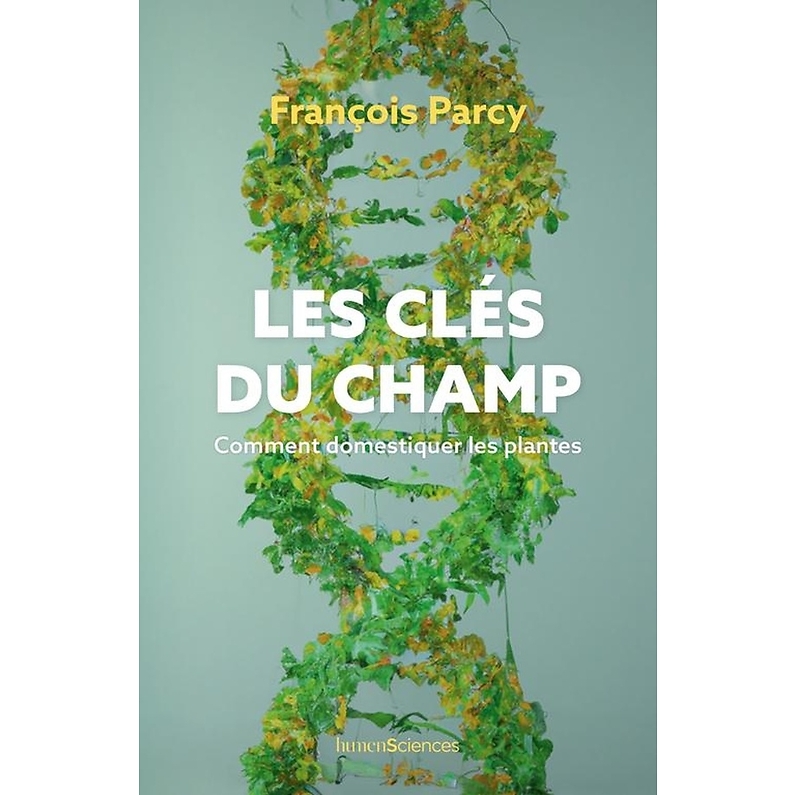
The keys to the field: how to domesticate plants
Cité des sciences et de l'industrie
Description
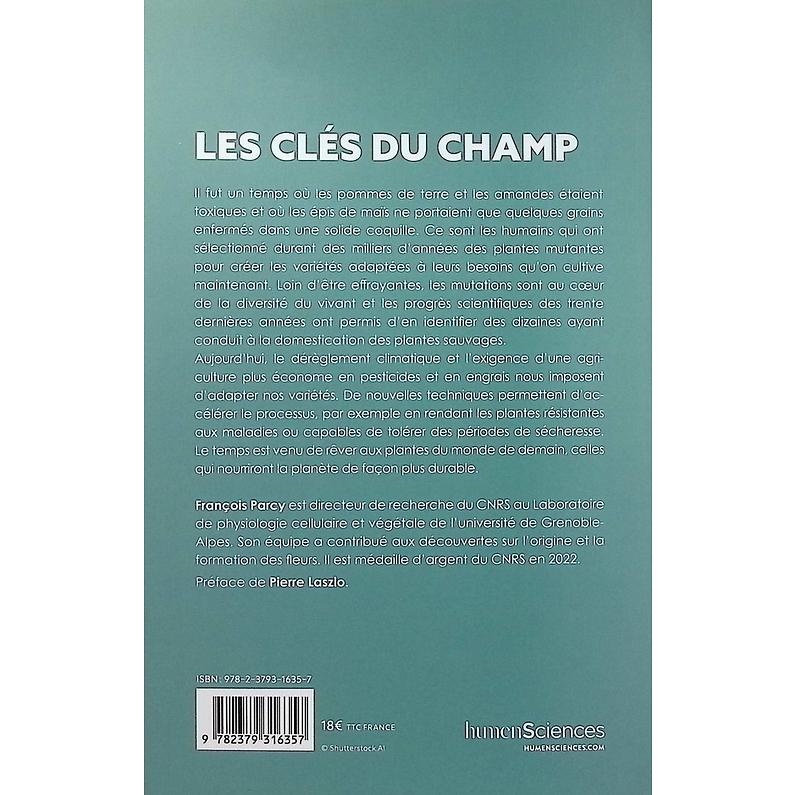
Thousands of years ago, humans selected and cultivated plants without knowing why they were edible. Today, genetics allows us to understand the mechanisms at work thanks to sequencing. This is the case, for example, with teosinte, the ancestor of maize, whose first domestication gene was discovered in 2001. It is a protein it contains that makes the difference, activating or deactivating a gene responsible for branch growth. By favouring branchless plants, which are easier to harvest, maize was born. In a lively and accessible account, François Parcy looks back at the history of plants we think we know (potatoes, almonds, tomatoes, cabbages, etc.), their biology and how they are grown. Studying domestication is not just about looking at the evolution and diversification of life. It is also about approaching mutations as normal phenomena rather than something sinister. While genetic manipulation is becoming increasingly sophisticated, it is helping us to meet the challenges posed by climate change: adapting our crops to feed a growing population.
Product information
- Publication Year
- 2024
- Technical specification
Author : François Parcy
- Dimensions
- 20 cm x 13 cm x 2 cm
- Number of Pages
- 240
- EAN
- 9782379316357